They Were Our Couple Goals (And Now They Won't Even Like Each Other's Posts)
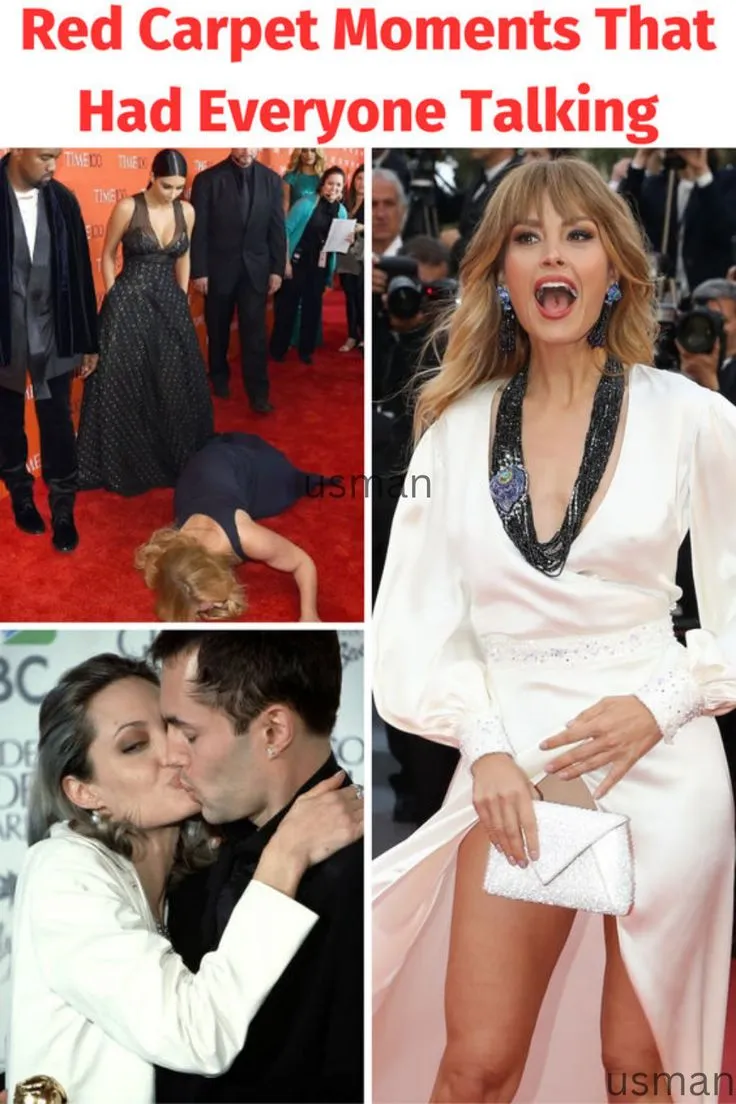
Photo: two women awkward encounter red carpet event celebrity, via i.pinimg.com
There is a very specific kind of grief that hits when you notice your two favorite celebrities have stopped appearing in each other's Instagram stories. It's not quite heartbreak. It's not quite confusion. It's something in between — like finding out your favorite TV show got canceled mid-season with zero explanation and the writers just moved to a farm upstate.
Welcome to the celebrity friendship breakup era, where BFFs become strangers, red carpet reunions get painfully awkward, and the rest of us are left refreshing their tagged photos like forensic investigators trying to pinpoint the exact moment it all went sideways.
The Unfollow Heard Around the World
Let's be honest: in 2024, an unfollow is a declaration of war. Or at the very least, a very loud statement. When two celebrities who used to co-host birthday parties, wear matching outfits, and hype each other's projects suddenly go quiet — and the mutual follows disappear — the internet doesn't just notice. The internet convenes.
Fan accounts get activated. Reddit threads spiral into multi-page investigations. Someone always finds the last tagged photo and timestamps it like it's evidence. The comment sections fill up with people typing "wait... WHAT HAPPENED" in all caps, as if they personally witnessed a betrayal at the Last Supper.
And the celebrities themselves? Silent. Maybe one of them posts a vague quote about "protecting your peace." Maybe they both show up to the same industry event and somehow manage to be in completely different rooms the entire time. That's not an accident. That's choreography.
Why We're All So Invested in Friendships That Aren't Ours
Here's the uncomfortable truth lurking beneath all the drama: we got played. Not maliciously — nobody forced us to watch seventeen joint TikToks or consume every podcast appearance where they talked about how much they just get each other. But we watched. We subscribed. We felt warm and fuzzy about it.
That warm fuzziness has a name: parasocial relationships. Psychologists have been talking about this phenomenon for decades, but social media has turbocharged it into something almost unrecognizable. When a celebrity duo shares behind-the-scenes moments, inside jokes, and genuine-seeming vulnerability, our brains don't fully clock the one-sided nature of the relationship. We process it the way we'd process a friendship we actually have. We root for them. We feel pride when they succeed together. And when they split — we grieve.
The parasocial investment in celebrity friendships specifically (as opposed to romantic couples) is particularly sneaky, because it flies under the radar. Nobody's writing think pieces about how you're too emotionally attached to two women who don't know you exist. It just feels like being a fan. But the emotional texture of it? That's something closer to watching your own friends drift apart.
The Instagram Couple Content Machine
Social media didn't invent celebrity friendships, but it absolutely turbocharged our obsession with them. Platforms like Instagram turned celebrity duos into content pipelines — matching fits, joint workout videos, the annual birthday post with the paragraph caption about how this person "changed my life." It became a whole genre.
And audiences ate it up because it felt real in a way that scripted content doesn't. A candid photo dump from a girls' trip? That's intimacy. A joint Instagram Live where they're just laughing about nothing? That's chemistry. The algorithm rewards it. The fan accounts amplify it. And slowly, without anyone quite meaning to, these friendships become part of the brand — for both parties.
Which makes the dissolution so disorienting. Because when the content stops, there's a vacuum. And into that vacuum rushes speculation, fan theories, and a very human need for narrative closure that nobody asked for and nobody's going to provide.
The Awkward Red Carpet Moment as Cultural Event
Few things captivate the internet quite like the post-friendship-breakup red carpet encounter. The body language analysis alone could power a small academic department. Did they make eye contact? Was the hug too brief? Did one of them pivot away slightly faster than socially normal? Was that a smile or a grimace?
We dissect these moments with the intensity of people who have been personally wronged, because on some level, we feel like we have been. We were sold a friendship — through content, through interviews, through the whole parasocial pipeline — and now we're watching the awkward aftermath without any of the context.
The celebrities, meanwhile, are presumably dealing with whatever actually happened between them — the real stuff, the private stuff, the stuff that will never be a podcast episode — while also managing a public persona that still technically includes the ghost of this friendship.
What It All Says About Us (Don't Worry, It's Not That Deep)
Here's the thing: none of this makes us bad people or embarrassingly obsessed. It makes us human. We are wired for social connection, wired to seek narrative, and wired to find meaning in relationships — even ones we're only watching from a phone screen.
The celebrity friendship breakup epidemic isn't really an epidemic. Famous people have always had falling-outs. What's new is the visibility, the documentation, and the parasocial infrastructure that makes us feel like stakeholders in the outcome.
So the next time you catch yourself deep in a Reddit thread trying to decode why two celebrities stopped tagging each other in posts, just know: you're not alone. Millions of other people are doing the exact same thing, equally invested in a friendship they were never actually part of.
And somewhere out there, those two celebrities are probably just... living their lives. Completely unaware that you've built an entire emotional narrative around their Instagram activity.
Wild, right?