No Notes, No Regrets: The New Celebrity Playbook for Skipping the Grovel
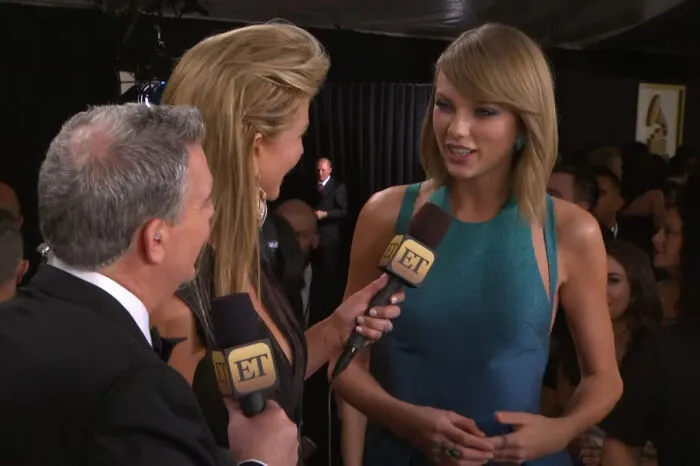
Photo: celebrity ignoring microphones press conference defiant, via static.boredpanda.com
There was a time when the celebrity apology followed a sacred, almost liturgical script. Sit down. Soft lighting. Maybe a houseplant in the background to signal growth. Speak slowly, look directly into the camera, say the words "I hear you" at least twice, and wait for the internet to decide whether you've suffered enough. It was performative, sure, but it was the deal — you mess up publicly, you grovel publicly, and the cycle resets.
That deal appears to be dead. And nobody sent a condolence card.
The Grovel Is So 2019
Somewhere between the fifteenth celebrity apology that felt like it was written by a legal team on a Tuesday afternoon and the collective realization that none of it actually changed anything, audiences started to notice: the apology tour doesn't really work. It doesn't satisfy critics. It rarely satisfies fans. And it almost never results in the clean-slate redemption arc the publicists promised.
So what's replacing it? A few things, actually — and they're way more interesting than a Ring light confession.
The first move in the new playbook is the double-down. Instead of saying "I was wrong," the celebrity in question says, essentially, "I was right, you just weren't ready." Kanye West — now legally Ye — has been running this particular play for years, and while the consequences eventually caught up with him in genuinely serious ways, for a long stretch the defiance itself became the brand. The controversy wasn't something to survive; it was the content.
Then there's the ironic pivot, where the public figure leans into the criticism so hard it becomes a joke — their joke. When Armie Hammer's career collapsed under an avalanche of disturbing allegations and became one of the most-discussed celebrity implosions in recent memory, the internet turned it into memes almost immediately. The surreal distance between the seriousness of the accusations and the absurdity of the details created a cultural short-circuit. Nobody was waiting for an apology because the situation had become too bizarre to resolve with one.
Silence as a Power Move
Perhaps the most striking new strategy, though, is the strategic nothing. No statement. No Instagram post. No carefully worded note that begins with "I've been doing a lot of reflecting." Just... silence.
This used to be career suicide. In the social media era, silence reads as guilt, right? Except it turns out that silence also reads as unbothered — and unbothered, for a certain type of celebrity with a certain type of fanbase, is aspirational.
Nicki Minaj has deployed this approach masterfully. When controversies erupt around her — and they erupt regularly — she often responds not with contrition but with counter-attacks, humor, or simply carrying on as if the discourse is beneath her notice. Her fans don't just accept this; they celebrate it. The refusal to perform remorse becomes proof of authenticity.
Netflix's favorite chaos agent Johnny Depp took a slightly different approach after his very public legal battles: he leaned into the role of the wronged romantic hero, went to the UK for a tour with Jeff Beck, and let his supporters do the emotional heavy lifting. The apology was replaced by a vibe — specifically, the vibe of a man who has been through it and emerged, wine glass in hand, completely unrepentant.
Accountability Fatigue Is Real (And the PR People Know It)
Here's the uncomfortable truth underneath all of this: we might have broken the apology ourselves.
Cancel culture, at its peak, demanded a specific kind of suffering that was never really about accountability — it was about spectacle. The apology video wasn't a genuine reckoning; it was a ritual humiliation that audiences consumed like content, because that's exactly what it was. When enough people started recognizing the transaction for what it was, the currency devalued fast.
Publicists and managers noticed. If the apology doesn't actually rehabilitate the image — if it just gives critics more footage to dissect and mock — then why issue one? The calculus has shifted. In some cases, doubling down generates more earned media, more fan loyalty, and more cultural staying power than a tearful mea culpa ever could.
This isn't purely cynical, either. There's a legitimate argument that forced public apologies are often meaningless theater that does nothing for actual victims and everything for the performer's image management. Skipping the theater, in that reading, is at least honest.
Peak Narcissism or a Broken System?
The real question A-Maloon wants answered: is this growth or just ego with a better strategy?
Probably both, depending on the celebrity. For some, the refusal to apologize reflects a genuine (if sometimes misguided) belief that they did nothing wrong, or that the pile-on was disproportionate to the offense. For others, it's pure narcissism dressed up in the language of authenticity — the "I refuse to be shamed" posture deployed by people who genuinely should be doing some reflecting.
What's clear is that the cultural moment we're in rewards defiance in ways it didn't five years ago. Audiences are tired. Tired of the apologies, tired of the cancellations, tired of the redemption arcs that lead nowhere. Into that exhaustion walks the celebrity who simply refuses to play — and somehow, that refusal has started to look like the most honest move in the room.
Whether that's a sign of cultural maturity or a very convenient excuse for powerful people to avoid consequences is, honestly, above our pay grade. But we'll be watching — and we won't be holding our breath for anyone's tearful ring-light moment anytime soon.