Gone Without a Goodbye: The Podcast Graveyard Nobody Warned You About
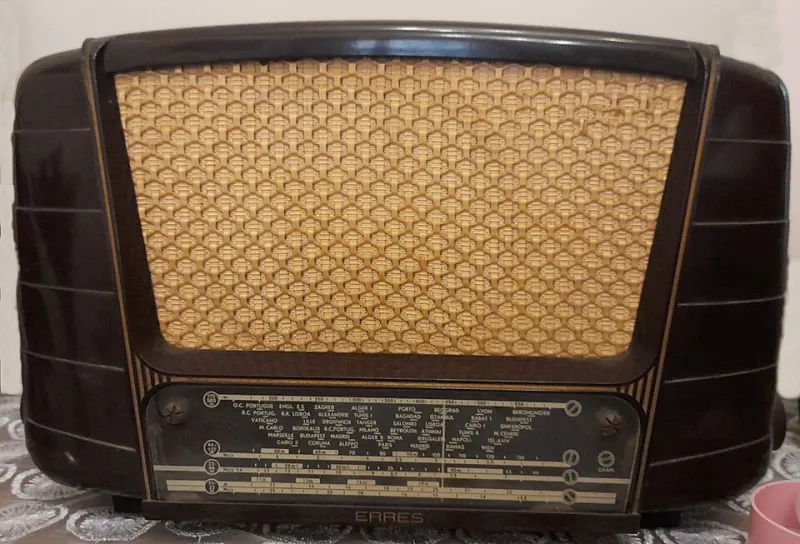
Photo: باسم, CC BY-SA 4.0, via Wikimedia Commons
You remember exactly where you were when you found that podcast. Maybe it was a deep-dive true crime show hosted by a guy who clearly had too much coffee and not enough sleep. Maybe it was a niche comedy pod where two best friends absolutely roasted each other for 45 minutes every Tuesday. You told your friends. You made it your commute ritual. You referenced it at dinner parties like it was a personality trait.
And then one day — poof. Gone. No farewell episode. No tweet. No forwarding address. Just a broken RSS feed and a hole in your heart the size of a deleted Spotify library.
Welcome to the Podcast Graveyard, population: way too many shows you loved.
The Delete Button Has No Feelings
Podcasts disappear for a staggering variety of reasons, and almost none of them are communicated to the people who actually listened. Corporate acquisitions are one of the biggest culprits. When Spotify went on its podcast buying spree a few years back — snapping up Gimlet, Parcast, and a small country's worth of independent shows — some content got consolidated, some got quietly shelved, and some just evaporated from public feeds entirely.
Licensing disputes are another silent killer. A show that used even a few seconds of copyrighted music in its intro could find itself scrubbed from platforms after a rights holder sends a strongly worded letter. It doesn't matter that listeners loved it. It doesn't matter that the creator spent three years building an audience. The algorithm doesn't do eulogies.
Then there's creator burnout — probably the most human reason of all. Podcasting looks easy from the outside. Two microphones, some banter, done. In reality, it's hours of editing, booking guests, managing RSS feeds, and doing all of it while holding down a day job because, spoiler alert, most podcasters are not millionaires. When someone quietly stops uploading, there's often no announcement because they're simply too exhausted to make one.
The Archivists Who Refuse to Let Go
Here's where things get genuinely fascinating — and a little bit unhinged, in the best possible way.
A loose network of podcast superfans has taken it upon themselves to preserve "lost" episodes before they disappear forever. Think of them as the librarians of the internet's audio wing, except their library smells like energy drinks and they operate entirely out of Discord servers with names like "Pod Preservation Society" and "The Wayback Listenership."
These archivists use tools like the Wayback Machine, custom RSS scrapers, and good old-fashioned manual downloading to save episodes before platforms pull the plug. Some of them have hard drives containing thousands of hours of content that simply no longer exists anywhere else online.
"People think digital means permanent," one archivist who goes by the handle "RSSRescue" explained in an online forum post that's been shared widely in podcasting communities. "It absolutely does not. If a company decides your favorite show doesn't fit their quarterly strategy, it's gone. We're the last line of defense."
The gray market these folks operate in is legally murky, to put it gently. Hosting bootleg podcast episodes isn't exactly a clean business. But the community argues — with some merit — that if a corporation isn't actively monetizing or distributing the content, and the original creator has abandoned the feed, preservation is a public service. Courts have not definitively agreed. Courts have also not definitively disagreed. It's a very gray area wearing a very gray hat.
The Platforms Aren't Exactly Crying About It
Here's a spicy take: the major podcast platforms don't have a ton of financial incentive to maintain a massive back catalog of shows that aren't driving engagement. Storage costs money. Licensing old content costs money. Keeping a show from 2017 about competitive hot dog eating on your servers? That's overhead, not revenue.
This is a fundamentally different relationship than, say, a streaming service like Netflix, which at least has the business model pressure to justify keeping older titles around for subscriber retention. Podcast platforms operate on advertising revenue tied to active listeners. A dormant show with no new episodes and a shrinking audience is, from a pure spreadsheet perspective, dead weight.
The result is a kind of passive negligence. Nobody is necessarily trying to erase podcast history. They're just not trying very hard to preserve it either.
What Creators Wish You Knew
Several independent podcast creators have spoken openly about the anxiety of knowing their work could disappear without warning. "I have every episode backed up on three separate drives," said one comedy podcast host who asked not to be named because she's currently in negotiations with a network. "I've seen too many friends lose years of work because they trusted a platform to hold it for them."
The advice from veterans is consistent: download episodes you love. Use a podcast app that allows offline storage. Follow creators on social media so you have a line of communication if their show vanishes. And if a show means something to you, tell the creator — because in the absence of big download numbers, personal messages are sometimes the only thing keeping someone going.
The Loud Takeaway
The Podcast Graveyard is real, it's growing, and it's a genuinely weird artifact of how we built the modern media ecosystem. We handed the keys to our audio culture to platforms that were never really in the business of preservation — they were in the business of growth. When the growth stops, the content follows.
So pour one out for the shows you loved and lost. And maybe, just maybe, go find that Discord server full of archivists who are quietly saving the internet's audio soul, one illegal hard drive at a time.
They deserve more credit than they're getting.