Laugh Now, Apologize Later: Why Comedy Specials Are Getting Nuked Before the Credits Roll
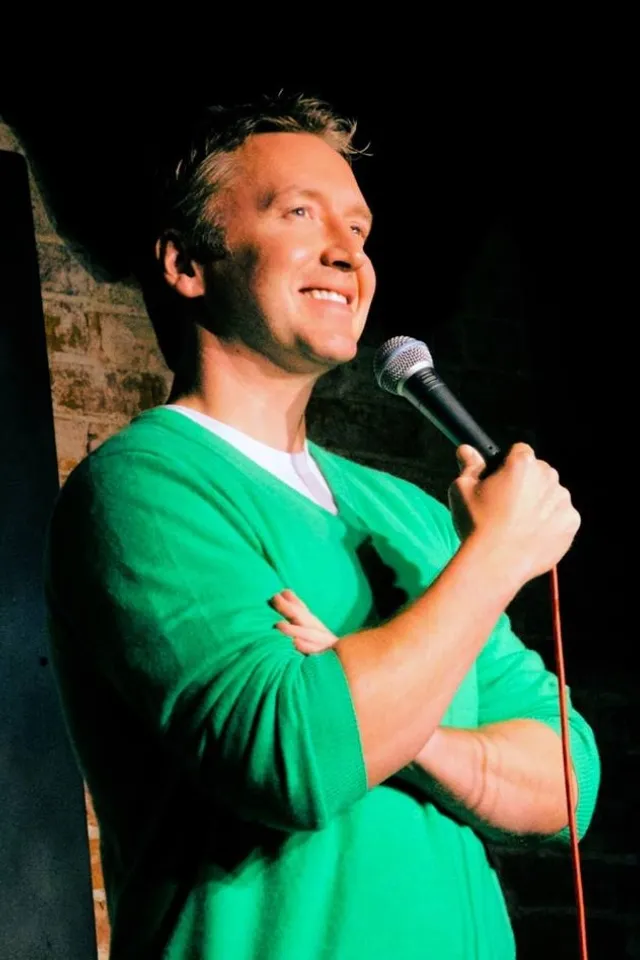
Photo: WCS100, CC BY-SA 3.0, via Wikimedia Commons
There's a particular kind of silence that follows a comedy special getting pulled from a streaming platform. It's not the comfortable silence after a punchline lands. It's the silence of a thousand think-pieces being drafted simultaneously while the comedian in question refreshes their mentions with one eye open.
Welcome to comedy in 2024 — where the joke might not be the problem, but the fallout absolutely is.
The Disappearing Act No One Ordered
Let's get into it. Over the past several years, we've watched a growing parade of comedy specials either get quietly shelved, loudly cancelled, or retroactively scrubbed from platforms like someone spilled something embarrassing on the internet and hoped nobody noticed.
Netflix pulled Hannah Gadsby's original contract dispute into public view. Chappelle's The Closer sparked an internal employee walkout and a very public corporate tap-dance from Netflix leadership. Shane Gillis got fired from SNL before his first episode even aired. Comedians like Louis C.K. watched their specials evaporate overnight following misconduct allegations. And more recently, emerging comics on platforms like Amazon and Peacock have faced pre-release backlash that quietly reshuffled release calendars.
The pattern isn't random. It's a pressure cooker — and comedy is the lid rattling loudest.
Platform Accountability vs. Artistic Cowardice: Pick Your Fighter
Here's where it gets genuinely complicated, and also where A-Maloon refuses to just pick a side and call it a day.
On one hand, streaming platforms are corporations with advertisers, subscriber bases, and PR departments that absolutely do not enjoy trending on Twitter for the wrong reasons. When a comedian drops material that targets marginalized communities, platforms face a real choice: stand behind the content or protect their brand equity. That's not censorship — that's capitalism doing its extremely predictable thing.
On the other hand, comedy has always been the art form most willing to walk directly into the fire. Richard Pryor talked about addiction and race in ways that would still make network executives sweat today. George Carlin went after religion, war, and the American Dream with a blowtorch. Bill Hicks was essentially banned from Late Night with David Letterman for a set CBS deemed too political. These weren't accidents — they were the whole point.
The tension isn't new. What's new is the speed. A special drops on a Friday, Twitter has a verdict by Saturday morning, and by Monday someone in a glass office is making a phone call.
The Self-Censorship Question Nobody Wants to Answer Honestly
Comedians — at least the ones willing to speak candidly, usually off the record — are increasingly talking about a kind of internal editing process that didn't exist a decade ago. Not full self-censorship, but something more like... aggressive second-guessing.
"You used to workshop a bit until it was funny," one stand-up comedian with two Netflix specials (who asked not to be named, because, well, obviously) told a comedy industry podcast earlier this year. "Now you workshop it until it's funny AND you've mentally prepared a three-paragraph statement defending it."
That's a significant creative tax. Comedy, at its best, operates on surprise — the unexpected angle, the taboo observation, the thing everyone's thinking but nobody's saying out loud. The moment a comedian starts pre-loading their punchlines with disclaimers, the timing goes sideways. And timing, as any comedian will tell you until you beg them to stop, is literally everything.
But here's the counterpoint that also deserves airtime: some of the material being "cancelled" was genuinely lazy. Punching down at trans people, recycling jokes about sexual assault, leaning on outdated stereotypes — these aren't edgy observations. They're just old material wearing a controversy costume. Accountability isn't always a mob. Sometimes it's just an audience saying, "We've heard this before and we don't find it funny anymore."
Are We in a New Era, or Just a Noisier One?
Comedy historians — yes, that's a real thing, and yes, they have strong opinions — will point out that every generation believes it's living through the most restrictive era for comedy. The Hays Code throttled Hollywood humor for decades. The McCarthy era made political satire genuinely dangerous. The FCC fined Howard Stern into satellite radio.
What's different now isn't the backlash. It's the infrastructure. Social media means that backlash is instantaneous, global, and searchable forever. A joke told in a club in 1987 that landed badly just... died in that room. A joke told in a Netflix special in 2024 that lands badly lives in screenshots, Reddit threads, and YouTube reaction videos until the heat death of the universe.
That's not a more restrictive environment, exactly. It's a more accountable one — which is either terrifying or overdue, depending entirely on who you ask.
So What Happens to Comedy Next?
The optimistic read is that comedy is doing what it's always done: evolving under pressure, finding new voices, and figuring out what the culture actually wants to laugh about. The comedians thriving right now — Nikki Glaser, Nate Bargatze, Taylor Tomlinson, Sam Jay — are doing it by being genuinely, specifically funny rather than relying on shock value as a crutch.
The pessimistic read is that the comedians with the most interesting, challenging things to say are getting priced out of mainstream platforms and retreating to Substack, independent specials, and live tours where the algorithm can't touch them.
Both reads are probably correct simultaneously, which is very on-brand for the current cultural moment.
What's clear is that the comedy special — as a format, as a cultural artifact, as a thing you put on after a rough Tuesday — isn't dying. It's just getting louder, weirder, and a whole lot more complicated. Which, honestly? Sounds like pretty good material.
Now somebody go write a bit about it.