Bestie Energy Online, Total Strangers Offline: The Influencer Friendship Illusion Nobody's Talking About
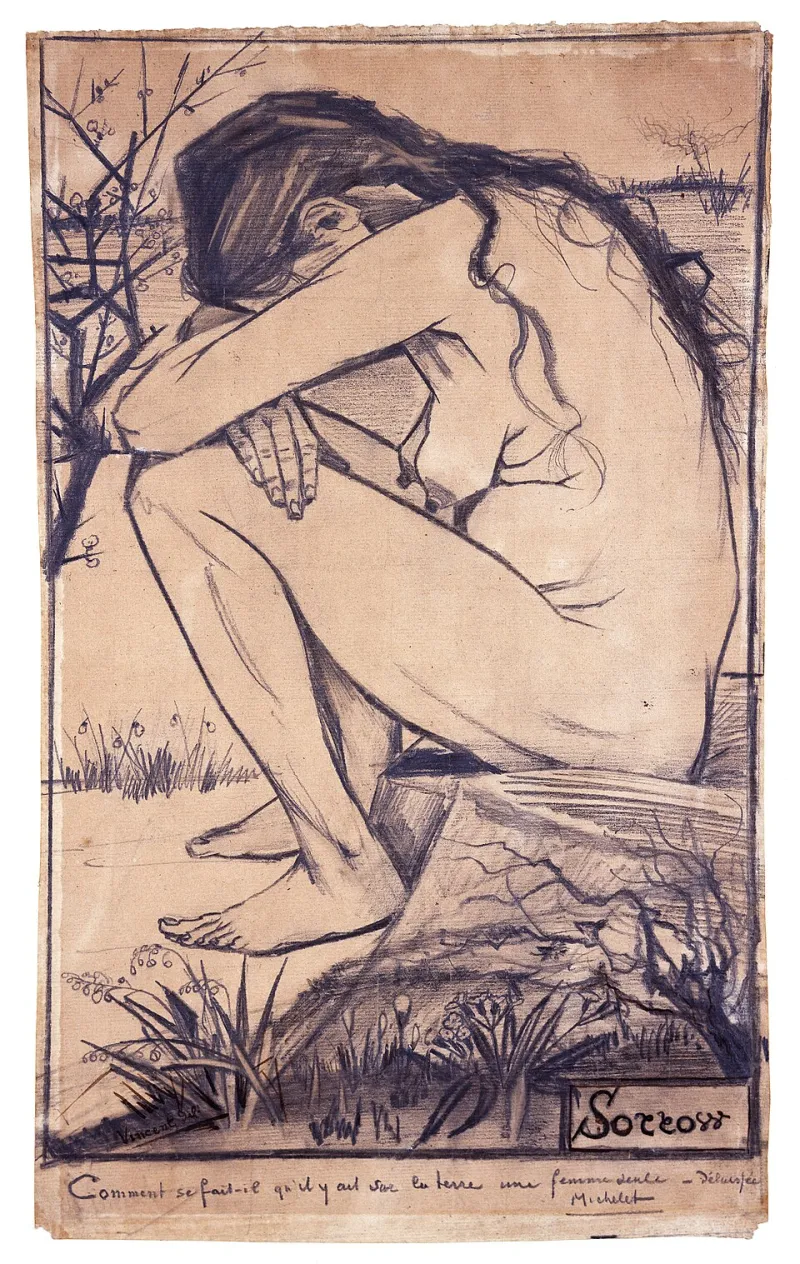
Photo: Vincent van Gogh, Public domain, via Wikimedia Commons
Picture this: Two creators spend an entire summer flooding your For You Page with matching content. They're finishing each other's sentences in vlogs, hyping each other up in comment sections, and posting those suspiciously well-lit candid photos that scream "we planned this for forty-five minutes." You're invested. You are rooting for this friendship. You've mentally written the arc.
Then, quietly, the content stops. No falling out. No dramatic statement. Just... silence. And when one of them gets spotted at Coachella, the other's name is nowhere in sight. Not a tag, not a mention, not even a suspicious background blur. It's like the whole thing never happened.
Welcome to one of the internet's most quietly devastating phenomena: the influencer friendship that exists exclusively in content form.
The Architecture of a Fake Bestie
Here's the thing — calling it "fake" is a little too easy and a little too mean. The truth is messier than that. Most of these relationships aren't built on malice. They're built on mutual benefit, which sounds cold but is honestly just... how networking works in every industry. The difference is that in the influencer economy, networking gets dressed up in matching outfits and emotional confessionals and served directly to millions of people who are primed to care deeply about it.
When two creators collab, they're not just sharing audiences. They're sharing emotional real estate. Fans invest. They ship the friendship. They make TikTok edits set to emotional piano music. They write paragraphs in comment sections about how this duo "restored their faith in genuine connection."
And the creators? They may genuinely like each other! Or they may have met twice and discovered that their audiences overlap perfectly. Both things can be true simultaneously, and that's where the illusion starts to crack.
The Parasocial Trap We Keep Falling Into
Let's be honest with ourselves for a second. The reason this hurts — and yes, it genuinely does produce a specific kind of low-grade emotional betrayal — is because parasocial relationships are doing a lot of heavy lifting in our lives right now.
We watch these people for hours. We know their coffee orders, their apartment layouts, their childhood drama, and their opinions on every minor celebrity controversy since 2019. We feel like we know them. And by extension, we feel like we know their friendships.
So when the friendship dissolves without ceremony, it doesn't just feel like two strangers drifted apart. It feels like something we were part of just quietly ended without us getting a vote.
The parasocial trap is that the intimacy is entirely one-directional. You know them. They don't know you exist. And the friendships they perform for the camera carry the same asymmetry — you're watching a relationship that was partially designed for your consumption, not your understanding.
Fans Are Doing the Forensics Now
Here's where it gets genuinely chaotic, and honestly a little impressive: audiences have gotten extremely good at clocking the moment an influencer friendship goes cold. We're talking spreadsheet-level analysis.
Somebody on Twitter will notice that Creator A hasn't appeared in Creator B's content for exactly 47 days. Someone else will pull receipts showing that they used to comment on each other's posts daily and now? Nothing. Not even a fire emoji. A third person will cross-reference their tagged locations and discover they were at the same event and still didn't post together.
The detective work is meticulous. The thread will go viral. And then the creators will either have to address it directly or do that thing where they both post suspiciously wholesome content within 24 hours of each other to signal that everything is fine, actually.
None of this is subtle. None of it is fooling anyone. But the performance continues anyway, because the alternative — admitting that your highly-documented "friendship" was largely a content strategy — is a conversation nobody in this industry seems ready to have out loud.
The IRL Problem Nobody Prepared For
Here's a wrinkle that doesn't get discussed enough: what happens when fans actually encounter these people in real life?
There are entire Reddit threads dedicated to people who attended creator events or conventions and watched two "best friends" stand in the same room and barely acknowledge each other. The awkwardness is described in vivid detail. The fans who've been emotionally invested in the friendship for two years are standing there watching these people exchange the kind of polite nod you give a coworker you don't really know.
It's genuinely disorienting. Because the friendship you watched online felt real. The laughing felt real. The inside jokes felt real. And then you see them IRL and realize that the chemistry you were witnessing was partially the product of good editing, strategic posting schedules, and the basic human ability to be likable on camera when there's something in it for you.
This isn't cynicism. This is just the reality of content creation as a profession.
So Are Any of These Friendships Real?
Yes. Obviously yes. Some of the most durable friendships in creator culture started as collabs and turned into genuine, decade-long relationships that exist entirely off-camera. Some of these people are legitimately ride-or-die for each other in ways that never make it into a vlog.
But those friendships tend to be quieter online, not louder. The ones that get performed most aggressively — the matching content, the constant shoutouts, the "I don't know what I'd do without them" captions — are often the ones that have the shortest shelf life. Because when a friendship is functioning primarily as content, it's subject to the same algorithmic pressures as everything else. When the engagement drops, so does the incentive to maintain the bit.
The real ones don't need the performance. They just are.
What This Says About Us (Not Just Them)
The most uncomfortable part of this whole conversation isn't the influencers. It's what our investment in their friendships says about what we're looking for online.
We want connection. We want to watch people who genuinely like each other. We want proof that real friendship exists and thrives and survives the chaos of modern life. And so we project all of that onto whatever we're given, even when what we're given is a well-produced approximation.
That's not embarrassing. That's human. But it might be worth asking what it would look like to redirect some of that emotional energy toward the actual people in our actual lives — the ones who don't have ring lights, don't post their highlights, and won't disappear from your timeline because the algorithm stopped rewarding the content.
Just a thought. No receipts required.