Awkward Is the New Aesthetic: How Gen Z Made Cringe the Coolest Thing Online

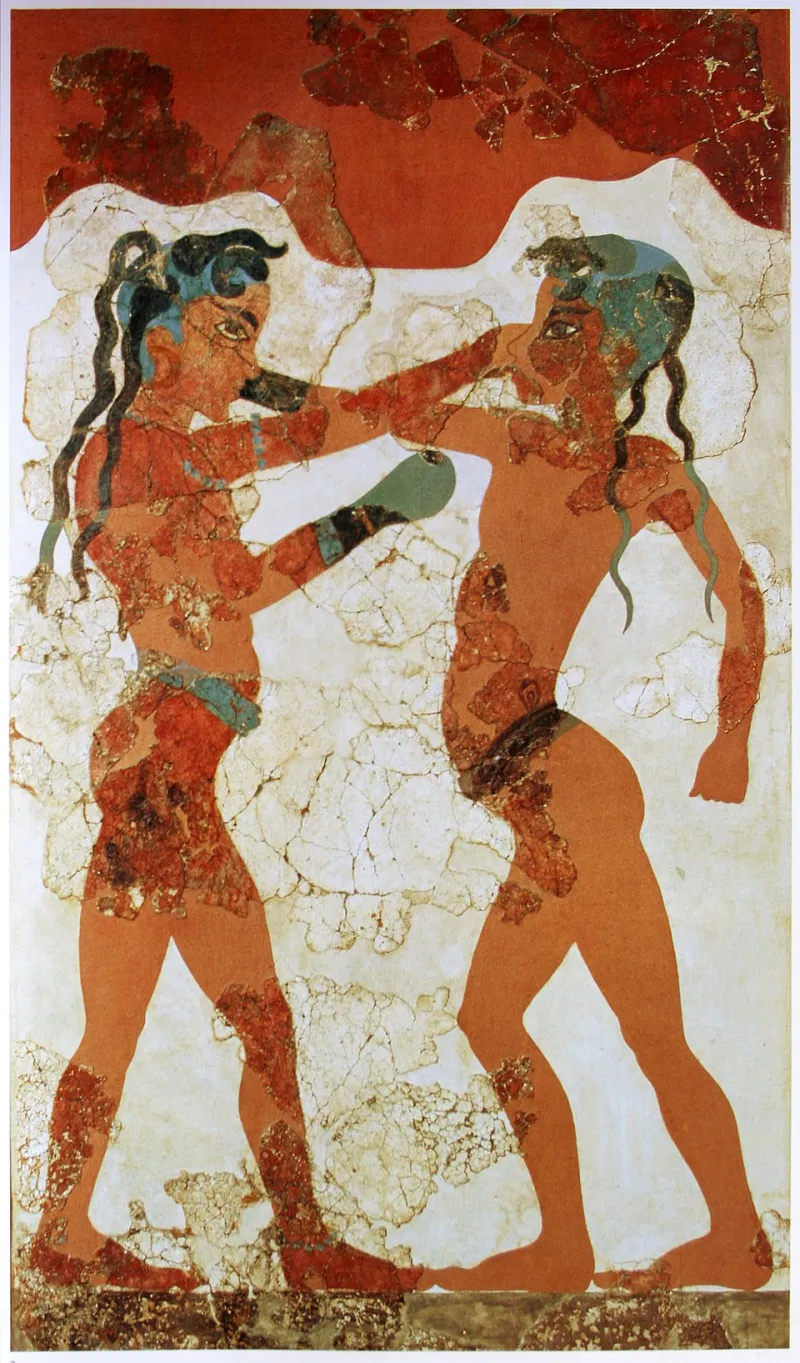
Photo: Peppe702, CC BY 2.0, via Wikimedia Commons
Let's set the scene. It's 2015. A YouTuber spends four hours in ring lighting, films seventeen takes of a perfectly timed joke, edits it with transitions smoother than a car commercial, and uploads it to 200,000 subscribers who leave comments like "so professional!!" and "this is literally flawless."
Now fast forward to today. A 19-year-old films herself in her car, ugly crying about a situationship, accidentally snorts mid-sob, keeps the snort in, posts it at 11pm, and wakes up to 4 million views and a brand deal from a skincare company that specifically wants to be associated with the snort.
Something has shifted. Something loud, uncomfortable, and deeply human.
The Death of the Highlight Reel
For years, social media operated on a simple and quietly exhausting contract: you show your best self, you get rewarded. Curated vacations. Filtered skin. Carefully staged "candid" photos taken by a significant other who was given very specific directions. The whole thing was aspirational theater, and everybody played along because everybody was doing it.
Gen Z, either through genuine rebellion or sheer exhaustion, blew that contract up.
The shift didn't happen overnight, but the acceleration has been remarkable. Platforms like TikTok — built on short-form, low-production, immediate content — created the conditions where authenticity wasn't just rewarded, it was required. The algorithm doesn't care if your lighting is bad. It cares if people are watching until the end. And people watch until the end when something feels real.
Cringe, it turns out, feels very real.
What Even Is "Cringe Content" Anyway?
Here's where it gets interesting, because "cringe" as a content category is actually doing a lot of heavy lifting. It covers a wild spectrum.
There's the confessional cringe — someone oversharing a humiliating story with the delivery of someone who has fully accepted their own chaos. There's failure content — cooking videos where the dish collapses, DIY projects that go sideways, workout attempts that end in someone rolling off a stability ball. There's social awkwardness content — staged or real interactions where someone says exactly the wrong thing and the camera just... lingers.
And then there's the meta-cringe, which is arguably the most Gen Z thing that has ever existed: content that is aware of how cringe it is, leans into it, and dares you to look away. Spoiler: you cannot look away.
What all of these have in common is a rejection of the idea that entertainment requires competence. Mess is the message.
The Psychology of Watching Someone Squirm
There's actually a pretty solid psychological case for why this stuff works. Researchers who study social media engagement have long noted that emotional content — particularly content that provokes strong reactions — drives shares and watch time more effectively than neutral, pleasant content. Cringe is emotionally potent. It activates the same neurological response as secondhand embarrassment, which, weirdly, is a deeply bonding experience.
When you watch someone overshare about their terrible date and you feel that full-body wince? That's empathy, dressed up in discomfort. You're connecting. You're recognizing something human. And in a media landscape that spent years showing you perfection you couldn't relate to, recognizing something human feels like relief.
Gen Z didn't just stumble onto this by accident. They grew up watching the previous generation perform happiness online and correctly identified it as fake. Cringe is the corrective. It says: I am not performing for you. This is just me, and it's kind of a disaster, and that's fine.
The Monetization of Mess
Here's where it gets genuinely wild from a business perspective. Brands — the same brands that used to pay influencers specifically for their polished, aspirational content — are now actively seeking out creators whose whole thing is being a chaotic mess.
Duolingo's TikTok account, run by someone who clearly has a PhD in unhinged energy, became one of the most-followed brand accounts in the country by leaning entirely into absurdist, awkward, deliberately uncomfortable humor. It works because it doesn't feel like marketing. It feels like a person.
Smaller creators are cashing in too. A creator who goes viral for a spectacularly failed recipe gets more engagement than a food blogger with ten years of perfect content. The comments aren't mean — they're delighted. "I'm crying" and "this is the most relatable thing I've ever seen" and "please never stop posting" fill the thread. Brands notice comment sections like that. They want a piece of it.
Cringe, it turns out, is incredibly good for business.
But Is It Actually Authentic?
Here's the question that keeps media critics up at night: at what point does performed authenticity become just... another performance?
Because here's the thing — some of this cringe content is absolutely manufactured. The "accidental" snort was kept in on purpose. The "messy" apartment was styled to look messy. The "unfiltered" breakdown was filmed in the best natural light available and uploaded after the creator reviewed three different takes.
Does that make it fake? Or does it just mean that authenticity, like everything else, has been absorbed into the content machine and is now being produced at scale?
Gen Z, to their credit, seems mostly fine with this paradox. The distinction they draw isn't between "real" and "fake" — it's between content that makes you feel something and content that doesn't. If a carefully produced cringe video makes you laugh until you snort your coffee, the production value is irrelevant. The feeling was real.
The Loud Conclusion
Cringe is currency because embarrassment is universal. Every single person alive has said the wrong thing, fallen down in public, sent a text to the wrong person, or mispronounced a word in a meeting. For decades, social media told us to hide all of that. Gen Z looked at that advice and said: hard pass.
The messier the better. The more uncomfortable the better. The more human, the better.
And honestly? As someone who has definitely laughed at a stranger's TikTok about their most embarrassing moment at 2am — same. Absolutely same.