Chaos Is a Lifestyle Now and Honestly? We're Thriving

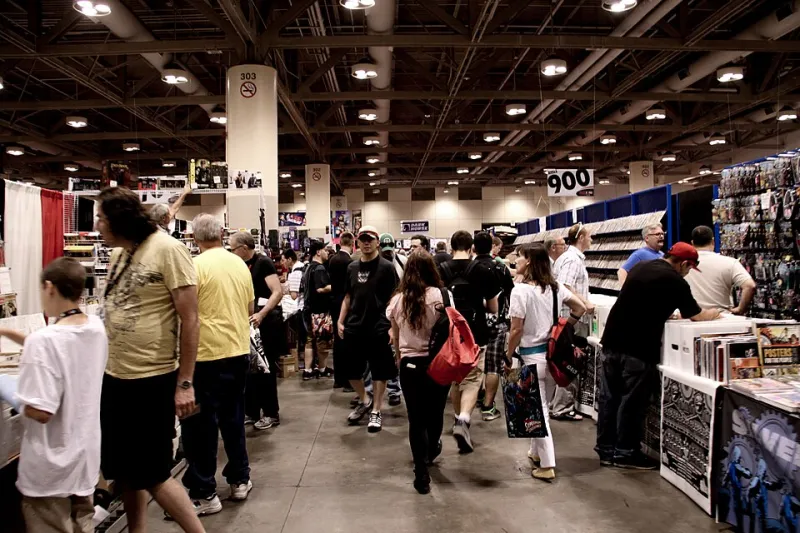
Photo: geckzilla, CC BY 2.0, via Wikimedia Commons
There's a woman on TikTok who just posted a video of her dinner. It's a cracker, three grapes, some shredded cheese eaten directly from the bag, and what appears to be a single cold chicken nugget she found in the back of her fridge. The caption reads: "dining at my finest establishment." It has 2.4 million views.
This is where we are. This is the culture. And honestly? It rules.
The reign of the perfectly plated açaí bowl, the immaculate morning routine, and the influencer kitchen that looks like it was designed by someone who has never actually cooked anything — that era is not dead, but it's definitely been dethroned. In its place: beautiful, chaotic, completely unhinged authenticity. The hot mess express has arrived, and the whole internet bought a ticket.
Girl Dinner, Boy Dinner, We're All Eating Chaos
If you need a mascot for this cultural moment, look no further than the phenomenon that kicked off the whole conversation: girl dinner. The concept — which exploded on TikTok and promptly took over every group chat in America — is essentially just eating whatever random assortment of things you have available and calling it a meal. A hunk of cheese. Some olives. Crackers. Half a pear. Maybe a slice of deli meat if you're feeling fancy.
The genius of girl dinner wasn't the food. It was the permission. Suddenly millions of people were essentially announcing: I do not have my life together at all times, and I am done pretending otherwise. The response was immediate and overwhelming, because it turns out a lot of people were quietly eating cracker-and-cheese situations alone in their kitchens and feeling vaguely embarrassed about it. Girl dinner said: no more shame. This is a vibe now.
From there, the chaos aesthetic expanded outward like a very disorganized spill. Messy car content. "Running late because I couldn't find one shoe" storytimes. The apartment tour where the background is aggressively normal. The morning routine that starts at 11:47 a.m. because some of us are not morning people and we are done lying about it.
The Psychological Permission Slip
So why does watching someone else exist in delightful disorganization feel so deeply satisfying? There's actually some real psychology behind this, which we will explain briefly before getting back to the chaos content.
For years, social media operated on a simple premise: show the highlight reel. Polished photos, aspirational aesthetics, carefully constructed versions of life that looked effortless even though they absolutely weren't. The result was a collective low-grade anxiety — a sense that everyone else had somehow figured out how to be a functional adult while you were over here eating cereal for dinner and losing your keys for the third time this week.
The chaos aesthetic is, at its core, a rejection of that premise. It's anti-perfectionism as entertainment. When someone posts a video of their disastrous attempt at a recipe, or their apartment that looks like it was decorated by a raccoon with good taste, or their completely chaotic approach to packing for a trip — it doesn't just entertain. It validates. It says: you're not failing at life. This is just what life looks like.
Psychologists call this social comparison theory — we calibrate our sense of normalcy based on what we see around us. For a long time, social media was skewing that calibration hard toward an unrealistic ideal. The chaos trend is recalibrating it back toward something that actually resembles reality.
TikTok and the Monetization of Mess
Here's where it gets really interesting: platforms figured out that chaos converts. Not just in terms of engagement — though it absolutely does — but in terms of actual revenue. The relatable, unpolished, "I just woke up and I'm going to tell you about the unhinged thing that happened to me" format consistently outperforms heavily produced content on TikTok's algorithm.
Why? Because it holds attention. You can't predict what's going to happen next in a chaotic storytime the way you can in a scripted tutorial. The messiness is the hook. And advertisers have slowly, reluctantly, then enthusiastically come around to the idea that the creator with the slightly cluttered background and the genuine laugh and the story that goes in four unexpected directions might be more persuasive than the influencer with the ring light and the perfect script.
Brands that used to demand flawless, aspirational content are now actively briefing creators to "keep it real" — which is both a genuine cultural shift and also a little bit hilarious, because "keep it real" is now a brand directive with a strategy deck behind it.
The Spontaneous Road Trip as Spiritual Practice
The chaos aesthetic isn't limited to food and apartment aesthetics. It's also colonized the concept of adventure. The spontaneous road trip — planned the night before, destination TBD, snacks assembled from a gas station — has become its own genre of content and its own cultural aspiration.
There's something genuinely appealing about it. Not the discomfort (nobody's romanticizing sleeping in their car in a Walmart parking lot, despite what some van life content might suggest), but the freedom. The anti-optimization of it. The refusal to plan every detail and book every reservation and consult every review before making a move.
In a world where every experience can be researched, reviewed, and optimized before you even show up, the spontaneous chaotic adventure is almost a form of rebellion. It's choosing uncertainty on purpose. It's deciding that the story you'll have afterward is worth more than the seamless execution.
The Line Between Relatable and Actually Struggling
It would be irresponsible to write about the chaos aesthetic without noting: there's a difference between performing delightful disorganization for content and actually struggling. The "girl dinner" plate of crackers is funny when it's a choice. It's less funny when it's the only option.
The best creators in this space seem to understand that distinction intuitively. The chaos they're sharing is chaotic in a warm, survivable, ultimately comedic way — not in a way that signals genuine distress. And audiences, for the most part, can read that difference.
The goal isn't to glamorize struggling. It's to destigmatize the perfectly normal messiness of being a human adult in a complicated world.
Chaos, But Make It a Whole Personality
At the end of the day, the hot mess aesthetic has stuck around because it offers something polished influencer culture never quite could: the genuine sense that you're watching a real person. Flaws and forgotten laundry and cracker-based dinners included.
And in a media landscape absolutely saturated with content, realness — even performed realness, even curated chaos — cuts through.
So keep your mismatched socks. Keep your "I'll figure it out" energy. Keep eating whatever's in the fridge and calling it a dining experience.
You're not a mess. You're content.