You Found It First — And the Internet Ruined It Anyway
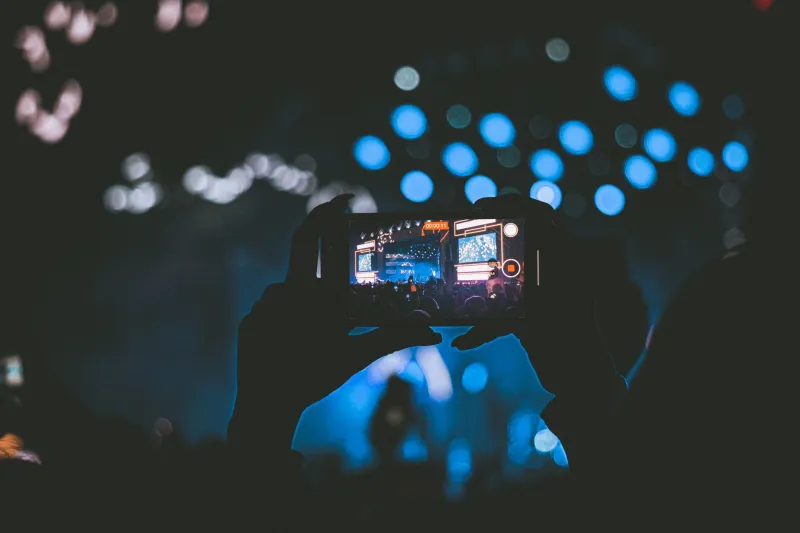
There is a very particular flavor of betrayal that no one warned you about. It doesn't come from a friend or a bad breakup or a streaming service canceling your show after one season (though, yes, that also hurts). It comes from TikTok. Specifically, from the moment TikTok decides that the thing you loved quietly, privately, and fiercely — the thing that felt like yours — is now the thing everyone needs to know about immediately.
Congratulations. Your guilty pleasure just became the main character. And somehow, impossibly, that's the worst news you've heard all week.
The Moment Everything Changes
It always starts the same way. A 22-second clip. A sound you recognize. A comment section filling up with people who have absolutely no idea what they're looking at but are fully prepared to love it anyway.
Maybe it was an indie game you'd been playing since early access, back when the Discord server had maybe 400 people and the developer personally responded to bug reports. Maybe it was a folk artist with two albums and a Bandcamp page, someone you'd seen at a 200-capacity venue in Brooklyn and felt genuinely smug about discovering. Maybe it was a cult TV show that aired on a channel nobody had, or a niche hobby — sourdough fermentation, competitive puzzle solving, competitive anything — that had its own cozy corner of the internet where everybody knew the terminology and nobody needed it explained.
And then the algorithm decided it was time.
What Goes Missing in the Flood
Here's what people who haven't experienced this don't understand: it's not about gatekeeping. It's not even really about the new fans, who are, objectively, just people who found something they like. Good for them. Truly.
What gets lost is harder to name. It's the texture of the thing. The in-jokes that only made sense if you'd been around long enough to watch them develop organically. The shared vocabulary that took months to build. The feeling of being part of something small enough that your presence in it actually mattered.
When Stardew Valley became a TikTok phenomenon in 2023, longtime players didn't just feel crowded out — they felt like the game itself had shifted under their feet. The subreddit exploded. The discourse changed. Suddenly a game that had functioned as a quiet escape was being discussed as a productivity metaphor and a self-care tool and a commentary on late-stage capitalism, which, sure, maybe, but also some of us just wanted to grow virtual turnips in peace.
The same thing happened to Phoebe Bridgers before she was Phoebe Bridgers, to Wordle before the New York Times got involved, to cottagecore before it was a hashtag with 12 billion views, to whole genres of music that had thriving underground ecosystems right up until the moment they became an aesthetic.
The Fans Who Walked Away
The most honest conversations about this phenomenon happen in the comment sections of old posts — the ones from before. People who describe logging out of communities they'd been part of for years because the signal-to-noise ratio became unbearable. Longtime fans of underground hip-hop artists who stopped going to shows once the crowds tripled and the vibe shifted from neighborhood cipher to Instagram content opportunity.
One Reddit thread about a beloved indie game — we won't name it, because frankly it's already been through enough — has a reply from a user who'd been in the original beta community: "I don't hate the new players. I just don't recognize the game they're playing anymore. It's like the community grew a new personality overnight and I'm the one who feels out of place."
That's the thing about viral adoption. It doesn't just add people. It rewrites the culture around the thing, because culture is always shaped by the majority who participate in it. And when the majority arrives all at once, fully formed and ready to engage on their own terms, the original terms get quietly retired.
The Algorithm Has No Concept of Sacredness
This is the part that should genuinely unsettle you. The recommendation engine doesn't know that this particular band meant something specific to a specific group of people. It doesn't know that this game was a lifeline for a community that built something real inside it. It doesn't know that this weird hobby had a whole ecosystem of lore and history and interpersonal drama that gave it meaning beyond the surface-level activity.
It knows engagement. It knows watch time. It knows that this content performs well with this demographic, and so it will push it to that demographic, and then the next one, and then the one after that, until the thing has been distributed so widely that it no longer belongs to any particular person or community. It belongs to the feed now. It belongs to the trend cycle. It belongs, briefly and loudly, to everyone — which is functionally the same as belonging to no one.
The algorithm is not malicious. That's almost worse. Malicious would at least imply intent, some awareness of what it's doing. What it actually is, is indifferent. Your favorite weird thing is just content. Content performs or it doesn't. This one performed.
So What Do You Do With That?
Some people leave. They find the next thing before the algorithm does, staying perpetually one step ahead of the mainstream in a kind of permanent cultural migration. There's a whole personality type built around this — the person who is always just ahead of the wave, who has already moved on by the time you arrive.
Some people stay and learn to coexist with the new version of the thing they love, accepting that it has changed and choosing to find value in what remains. This is probably the healthier approach. It is also extremely difficult.
Some people — and this is arguably the most honest response — just sit with the grief for a while. Because it is a kind of grief. Something that was yours in a specific and irreplaceable way is now everyone's, which means it's nobody's in the way it used to be. That's a real loss, even if it's hard to explain to people who didn't experience the before.
The internet is very good at giving you things to love. It is considerably less good at letting you keep them.
Find your thing. Love it loudly or love it quietly, your call. Just know that somewhere, an algorithm is already watching.
And it has absolutely no idea what it's about to do to you.